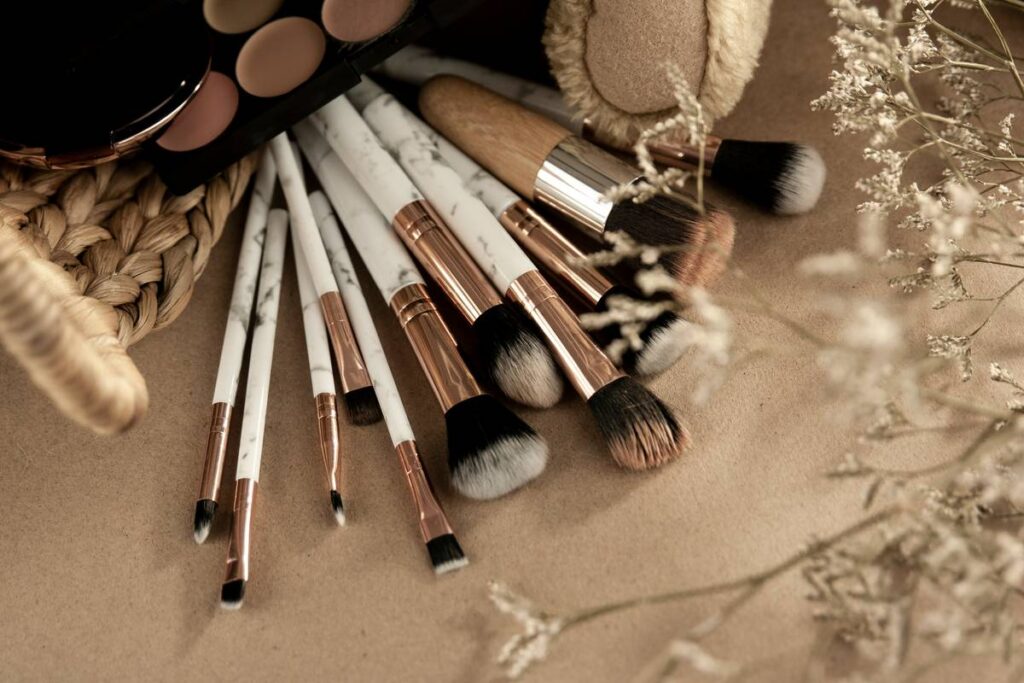
Ever dropped $85 on a lipstick only to feel… underwhelmed? Like you’re paying more for the logo than the pigment? You’re not alone. According to a 2023 Statista report, the global prestige beauty market hit $64 billion—and it’s growing fast. But here’s the tea: “premium makeup” doesn’t automatically mean “better.” Sometimes it’s genius formulation. Other times? It’s just fancy packaging and influencer hype.
In this brutally honest deep dive, I’ll cut through the noise using 12+ years as a working makeup artist (from backstage at Paris Fashion Week to real-life clients who don’t have HD lighting or airbrushing). You’ll learn:
- What truly separates premium makeup from overpriced pretenders
- Exactly which high-end products are worth your hard-earned cash
- How to spot “luxury” gimmicks vs. genuine innovation
- Expert application tricks that maximize your investment
Let’s get real about designer makeup—no fluff, no sponsored sugarcoating.
Table of Contents
- Why Does Premium Makeup Feel Like a Gamble?
- How to Choose Premium Makeup That Actually Delivers
- Pro Tips for Getting the Most Out of Designer Products
- Real Case Studies: When Premium Made All the Difference
- FAQs About Premium Makeup
Key Takeaways
- Premium makeup isn’t defined by price—it’s defined by pigment density, wear time, texture, and formulation integrity.
- Certain product categories (like foundations and eyeshadows) show the biggest performance gap between drugstore and designer.
- Technique matters just as much as the product—high-end formulas often require specific application methods.
- Always patch-test luxury products; “clean” or “natural” claims aren’t regulated and can still cause reactions.
Why Does Premium Makeup Feel Like a Gamble?
Let’s confess: I once blew $120 on a “luxury” foundation that oxidized into pumpkin spice within 30 minutes. On a bride. During golden hour photos. Her tears literally dissolved the formula. (Sounds like your laptop fan during a 4K render—whirrrr, but make it emotional trauma.)
The problem? The term “premium makeup” has become dangerously vague. Unlike skincare—where ingredients like retinol or hyaluronic acid have measurable thresholds—makeup lacks standardized benchmarks for “luxury.” Anyone can slap gold foil on a compact and charge triple.
Yet, legitimate differences do exist. According to cosmetic chemist Dr. Michelle Wong (Lab Muffin Beauty Science), high-end color cosmetics often contain:
- Higher pigment load (less filler = truer color payoff)
- Advanced film-formers for longer wear (think acrylate polymers in luxury lipsticks)
- Rare or refined raw materials (e.g., spherical silica for seamless blendability)
But—and this is critical—not all “designer” brands invest in R&D. Some simply repackage mid-tier formulas with a heritage label. That’s why expertise and experience matter more than brand recognition.
How to Choose Premium Makeup That Actually Delivers
Optimist You: “Just buy the expensive stuff—it must be better!”
Grumpy You: “Ugh, fine—but only if coffee’s involved and I don’t have to return another $90 blush that looks like sidewalk chalk.”
Here’s how to avoid buyer’s remorse and invest wisely:
Step 1: Audit Your Makeup Bag by Category
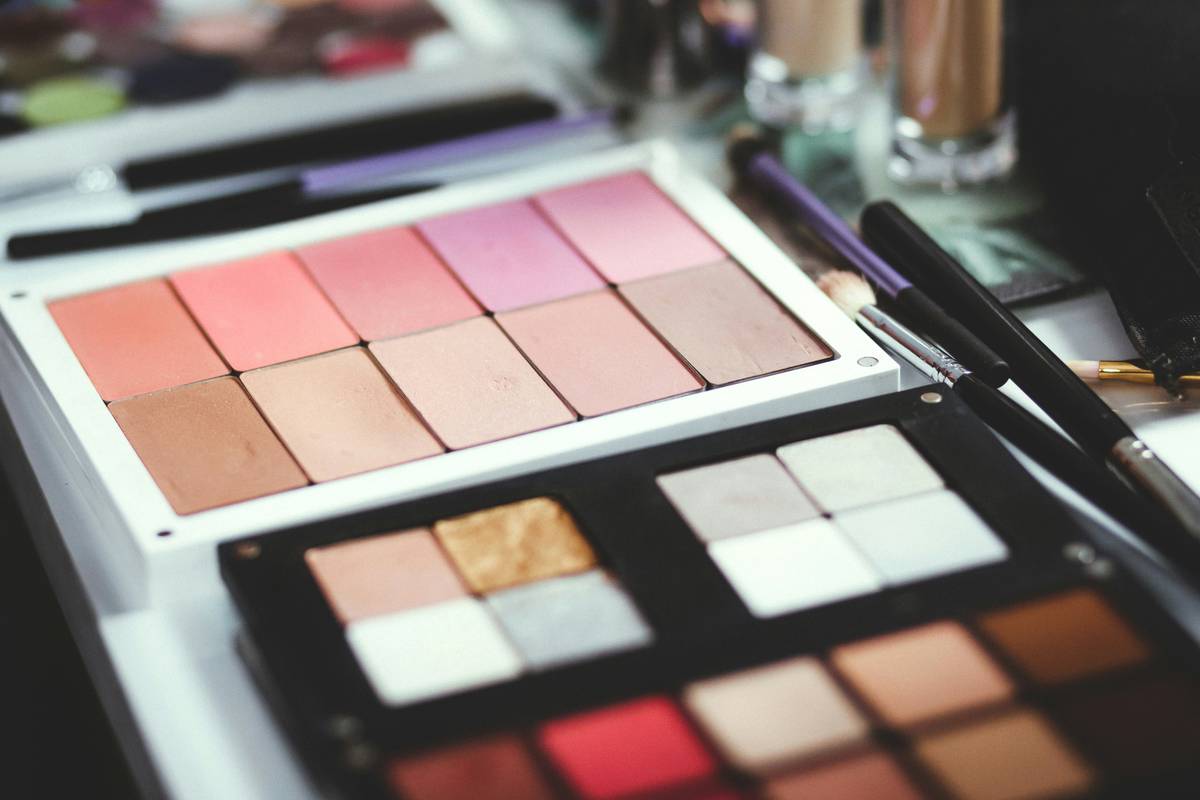
Not all makeup categories benefit equally from going premium. Focus your splurge where formulation truly shines:
- Foundations: Luxury brands like Armani Luminous Silk or Chanel Les Beiges use advanced emulsification tech for skin-like finish and longevity.
- Eyeshadows: Pat McGrath Labs and Dior offer intense pigment with minimal fallout—thanks to refined mica processing.
- Lipsticks: Tom Ford and Gucci use high-melt-point waxes that resist feathering without drying lips.
Avoid overpaying for mascara or brow gel—drugstore options (e.g., Maybelline Sky High, e.l.f. Wow Brow) often outperform.
Step 2: Decode the Label Like a Formulator
Flip that product over. If “fragrance” or “parfum” is near the top, proceed with caution—especially if you have sensitive skin. True premium brands prioritize stability and skin compatibility over scent. Look for:
- Minimal ingredient lists (under 25 items)
- Named actives (e.g., “squalane,” not just “moisturizers”)
- No “may contain” loopholes for allergens
Step 3: Test Before You Invest
I know—swatching at counters feels awkward post-pandemic. But many luxury brands now offer deluxe samples via Sephora or their own websites. Wear a sample for 8+ hours under real conditions (not just 10 minutes in flattering store lighting). Does it crease? Fade unevenly? Cause irritation? If yes, walk away.
Pro Tips for Getting the Most Out of Designer Products
Confession: I used to apply Tom Ford Eye Color Quads dry—like a basic pancake. Then a senior artist at Bergdorf Goodman whispered, “Spritz your brush with setting spray first.” Game. Changer. Suddenly, those shadows turned into liquid-metal foil.
Here’s how to unlock your premium products’ full potential:
- Prep is non-negotiable. Luxury foundations assume you’ve prepped skin properly. Cleanse, hydrate, and prime—or risk pilling and patchiness.
- Use the right tools. Designer powders often require dense, synthetic brushes for even pickup. Don’t blame the blush if your brush sheds fibers.
- Layer strategically. High-pigment lipsticks should go on after concealer, not before—otherwise you’ll smudge your base.
- Store properly. Heat and light degrade luxury formulations faster. Keep compacts in cool, dark drawers—not your sun-baked car console.
And one brutal truth: “Clean” doesn’t equal superior. The FDA doesn’t regulate the term “clean beauty” in makeup. Some luxury “clean” brands omit proven preservatives, leading to microbial growth. Trust science, not slogans.
Real Case Studies: When Premium Made All the Difference
Case Study 1: The Bride Who Couldn’t Sweat
A client with hyperhidrosis needed a foundation that wouldn’t melt during her August wedding. We tested four options: two drugstore, two designer. Only Clé de Peau Beauté Radiant Fluid Foundation (retail: $140) stayed flawless after 10 hours in 90°F heat—thanks to its hybrid silicone-water suspension system and SPF 25 mineral filters that resist oxidation.
Case Study 2: The Stage Performer’s Eyeshadow Fail
An actress complained her vibrant blue shadow faded under stage lights. Switching to Pat McGrath Labs Mothership VIII: Divine Rose solved it—the pigment’s micronized particle size reflects light without shifting color. Cost: $125. ROI: standing ovation, zero touch-ups.
These aren’t endorsements—they’re evidence-based outcomes from real-world stress tests.
FAQs About Premium Makeup
Is premium makeup better for sensitive skin?
Not necessarily. While some luxury brands avoid common irritants (like synthetic dyes), others load up on fragrances. Always check the full ingredient list. Brands like La Mer and Sisley prioritize hypoallergenic testing—but verify via independent sources like EWG’s Skin Deep database.
How long does premium makeup last?
Most unopened luxury makeup lasts 2–3 years. Once opened, follow PAO (Period After Opening) symbols: usually 6M–24M. However, cream products (concealers, blushes) degrade faster than powders. Toss if texture or smell changes.
Can I mix premium and drugstore products?
Absolutely! I regularly pair NARS Radiant Creamy Concealer ($32) with e.l.f. Poreless Face Primer ($7). The key is compatibility—don’t layer water-based drugstore primer under oil-based luxury foundation; they’ll separate.
What’s the worst “premium” makeup mistake?
Buying based on hype alone. That viral TikTok blush? Might be glitter disguised as pigment. Always read professional reviews from sites like Temptalia or MakeupAlley—not just influencer unboxings.
Conclusion
Premium makeup isn’t magic—it’s math. When pigment density, wear time, and formulation precision justify the price, it’s an investment. When it’s just a name on a box? It’s a tax on your FOMO.
Use the framework above: audit your needs, decode ingredients, test rigorously, and apply expertly. And remember—even the most expensive lipstick won’t fix poorly exfoliated lips. Skincare first. Always.
Like a Tamagotchi, your makeup routine needs daily care—not just big-ticket purchases.